KEY TAKEAWAYS
- Sealant is what keeps water out at joints, windows and flashings.
- Look for cracks, gaps, hardness and sealant pulling away from the edges.
- A repaint is the cheapest time to renew it, as access is already there.
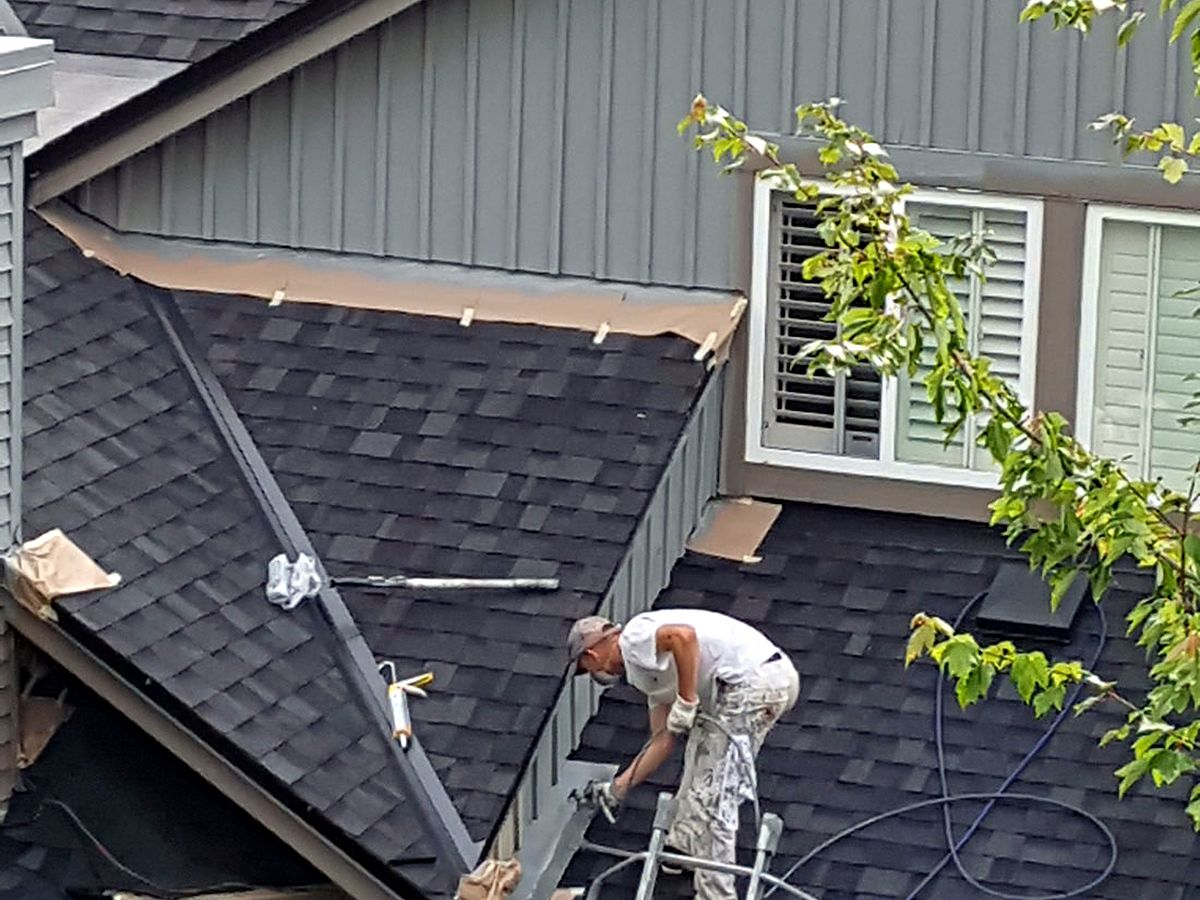
Caulking is a small part of a repaint budget and does a big part of the work. Every joint around a window, door, flashing and trim piece is a place water wants to get in, and sealant is often all that stops it.
Signs it has failed
- Cracks along the bead, or shrinking that leaves a gap.
- Sealant that has gone hard and no longer gives under your thumb.
- Edges that have pulled away from the wood or the frame.
- Dark staining or soft wood below a joint.
- Paint peeling around windows while the rest of the wall is fine.
Patch or renew?
A few failed spots can be cut out and redone during normal maintenance. If failures show up at most of the joints on a building, it is usually time for a full renewal of that elevation, because the rest are the same age.
What good work looks like
- The old sealant is cut out, not caulked over.
- Joints are cleaned and dried.
- Backer rod is used where a joint is deep.
- The right sealant is chosen for the materials on both sides of the joint.
- The bead is tooled so it bonds to both sides.
Time it with the repaint
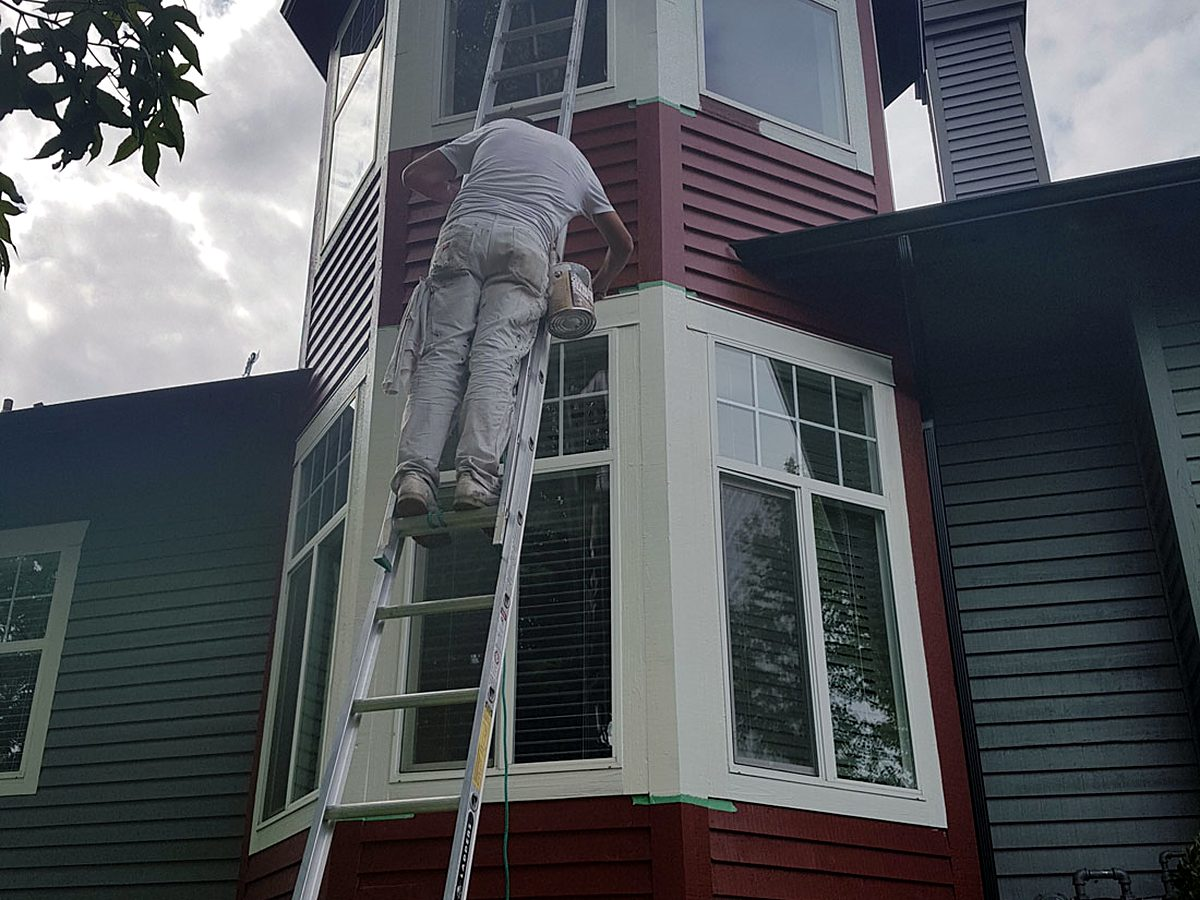
The crew, ladders and lifts are on site anyway, so caulking is most economical alongside a repaint. Ask for it to be priced clearly in the scope. If an engineer has reviewed your envelope, follow their specification for sealant type and joint design.
This guide is general information for strata councils and property managers in British Columbia, not legal advice. Check your registered bylaws and the current Strata Property Act, or ask your property manager or a lawyer, before relying on it for a decision.