KEY TAKEAWAYS
- Doors wear fastest because they are touched, slammed and hit by weather every day.
- Steel, wood and fibreglass doors each need different preparation.
- Paint needs time to harden before weatherstripping presses on it, or it sticks.
- Schedule doors so residents can close and lock them the same day.
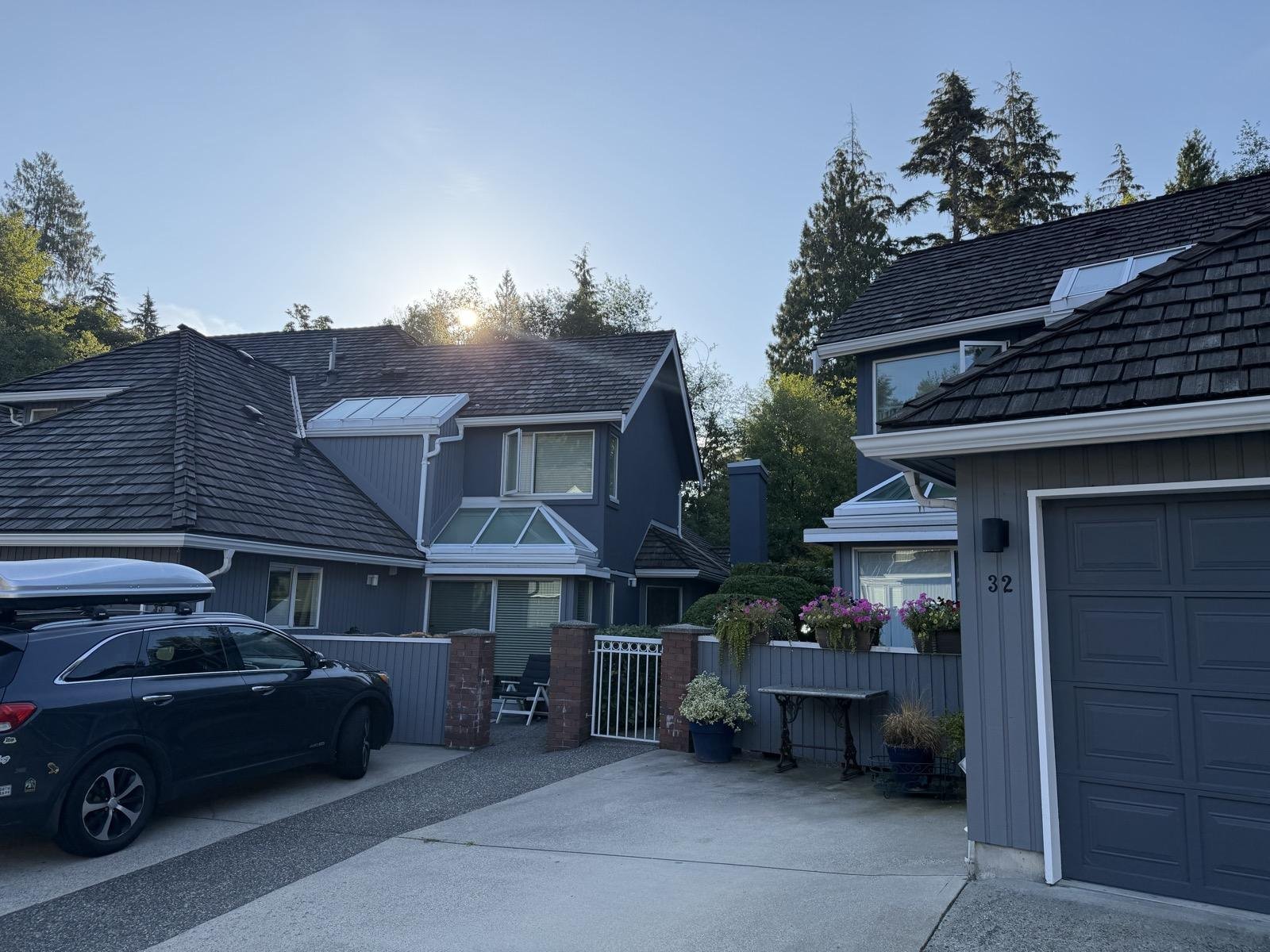
On most townhouse complexes, the entry and garage doors are the first painted surfaces to look tired. They face the street, take every knock and handprint, and often sit in full sun or driving rain. They are also the surfaces residents use every day, which makes painting them a scheduling job as much as a painting one.
What to look for
- Faded or chalky paint on south and west facing doors.
- Rust at the bottom edge of steel doors and around dents.
- Peeling or cracking on wood doors, especially at the bottom and around glass.
- Worn spots around handles and locks.
- Weatherstripping that is torn or has been painted over.
Preparation by material
- Steel. Clean, sand lightly, treat any rust, and spot-prime bare metal with a rust-inhibiting primer. The same approach applies to railings.
- Wood. Scrape and sand loose paint, prime bare wood, and seal the top and bottom edges as well as the faces. An unsealed bottom edge soaks up water.
- Fibreglass. Clean well and sand lightly so the new paint can grip, then use a paint suited to the surface.
Stopping fresh paint from sticking
Fresh paint can stay soft for days. When a door closes onto weatherstripping too soon, the paint sticks and tears. The answer is a paint with good block resistance, weatherstripping and hardware kept clean of paint, and doors left open to dry for as long as practical before they are closed.
Keeping residents moving
Doors are best painted early in the day, so they can dry and be closed and locked by evening. Garage doors are scheduled around when residents need their cars, and each home gets notice of its door day. See notice to residents.
Most strata bylaws require an owner to get written approval before changing the outside of a building, including exterior doors, so residents should not repaint their own door in a new colour without it. Check your registered bylaws. We repaint doors as part of a full exterior or as a door painting program on its own.
This guide is general information for strata councils and property managers in British Columbia, not legal advice. Check your registered bylaws and the current Strata Property Act, or ask your property manager or a lawyer, before relying on it for a decision.